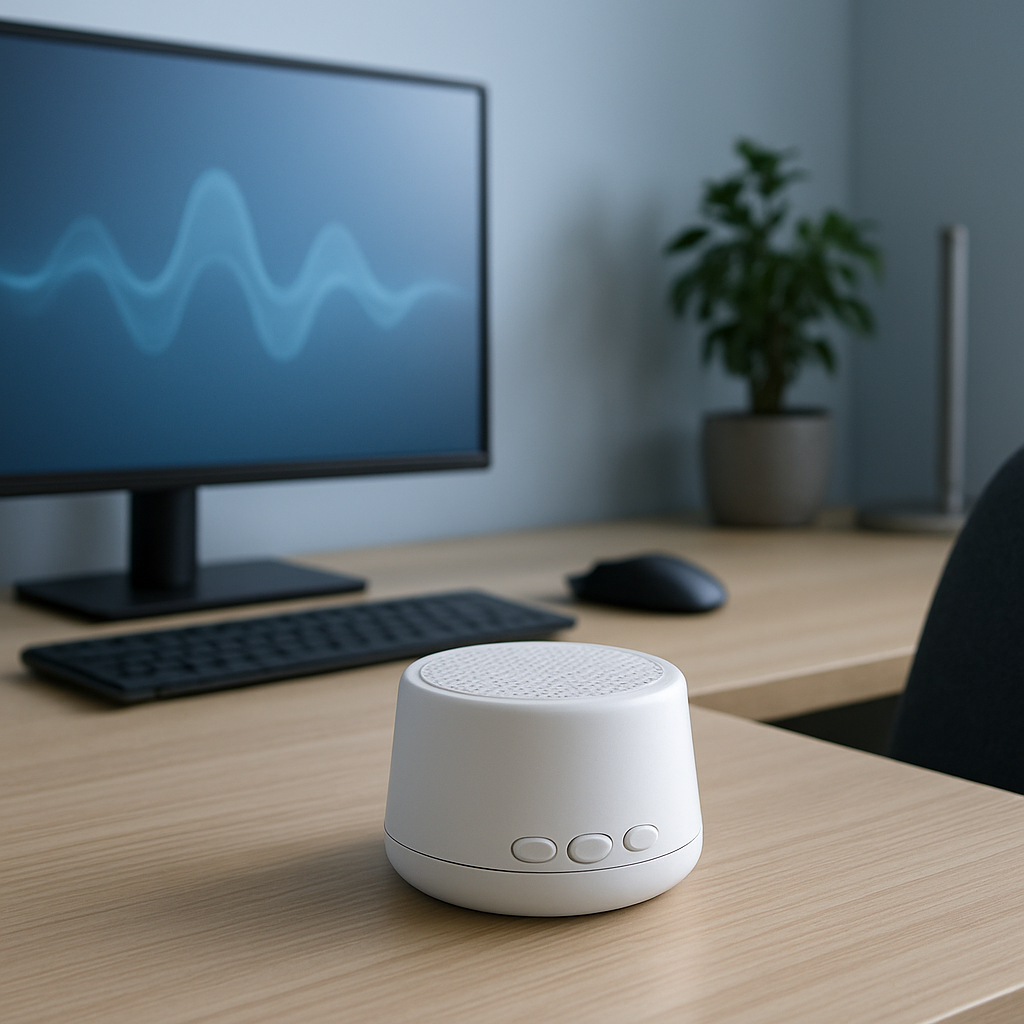
Desk Placement: focus check 1
Desk Placement matters because white-noise machines work by changing what the room feels like, not by magically deleting distractions. A useful machine should make interruptions less sharp without becoming the sound everyone notices.
For best white-noise machines, define the room first. This page supports the main focus sound guide and gives one top contextual path to the LeStallion product shortlist.
Start with a low volume, steady tone, and careful placement near the listener rather than blasting the whole room.
- Match sound type to the distraction.
- Use low, comfortable volume.
- Choose controls that are easy to repeat.
Desk Placement: focus check 2
Focus sound should be judged during real work. Reading, coding, writing, studying, and light admin may respond differently to the same tone. A sound that helps during email can feel distracting during deep reading if it has obvious waves, birds, or repeating patterns.
Placement matters as much as the machine. Put the unit between the listener and the distraction when possible, but avoid aiming it aggressively at the ear. In shared offices, keep the sound local and subtle.
Controls matter because focus habits should be easy to repeat. A clear volume dial, memory setting, timer, or simple button can matter more than dozens of sound options.
Desk Placement: focus check 3
Focus sound should be judged during real work. Reading, coding, writing, studying, and light admin may respond differently to the same tone. A sound that helps during email can feel distracting during deep reading if it has obvious waves, birds, or repeating patterns.
Placement matters as much as the machine. Put the unit between the listener and the distraction when possible, but avoid aiming it aggressively at the ear. In shared offices, keep the sound local and subtle.
Controls matter because focus habits should be easy to repeat. A clear volume dial, memory setting, timer, or simple button can matter more than dozens of sound options.
Desk Placement: focus check 4
Focus sound should be judged during real work. Reading, coding, writing, studying, and light admin may respond differently to the same tone. A sound that helps during email can feel distracting during deep reading if it has obvious waves, birds, or repeating patterns.
Placement matters as much as the machine. Put the unit between the listener and the distraction when possible, but avoid aiming it aggressively at the ear. In shared offices, keep the sound local and subtle.
Controls matter because focus habits should be easy to repeat. A clear volume dial, memory setting, timer, or simple button can matter more than dozens of sound options.
Desk Placement: focus check 5
Focus sound should be judged during real work. Reading, coding, writing, studying, and light admin may respond differently to the same tone. A sound that helps during email can feel distracting during deep reading if it has obvious waves, birds, or repeating patterns.
Placement matters as much as the machine. Put the unit between the listener and the distraction when possible, but avoid aiming it aggressively at the ear. In shared offices, keep the sound local and subtle.
Controls matter because focus habits should be easy to repeat. A clear volume dial, memory setting, timer, or simple button can matter more than dozens of sound options.
Desk Placement: focus check 6
Focus sound should be judged during real work. Reading, coding, writing, studying, and light admin may respond differently to the same tone. A sound that helps during email can feel distracting during deep reading if it has obvious waves, birds, or repeating patterns.
Placement matters as much as the machine. Put the unit between the listener and the distraction when possible, but avoid aiming it aggressively at the ear. In shared offices, keep the sound local and subtle.
Controls matter because focus habits should be easy to repeat. A clear volume dial, memory setting, timer, or simple button can matter more than dozens of sound options.
Practical buying notes for desk placement
Write down the main distraction, desk position, nearby coworkers, and preferred work block before comparing products. This keeps the shortlist focused on a real problem instead of a long sound menu.
Check reviews for looping sounds, harsh speakers, poor low-volume control, bright lights, and confusing buttons. These daily-use issues decide whether the machine becomes a habit or clutter.
After purchase, test one sound at a time for several days. Changing tones constantly makes it harder to know what actually helps focus.
How this affects the shortlist
The best shortlist should favor steady sound, fine volume control, simple timers, and a speaker that stays pleasant at low levels. For offices, subtle control is more important than dramatic loudness.
Look for repeated review patterns about hiss, loops, rattles, bright LEDs, and unreliable memory. If a machine cannot repeat yesterday’s comfortable setting, it may frustrate users.
A good white-noise machine should reduce distraction while disappearing into the workday.
Final setup note
As a final note, write down the sound type, volume level, placement, and work block that felt best. That small record makes it easier to repeat the setup instead of changing settings every day.
For shared offices, ask whether anyone nearby noticed the sound before mentioning it. Unprompted reactions show whether the machine is subtle enough for routine use.
Extra focus checks before ordering
List the three noises that break concentration most often. Speech from a nearby desk, unpredictable hallway sounds, mechanical hum, and street noise each point toward a different sound profile. A steady fan or brown-noise tone may feel smoother for speech, while sharper white noise may help with hiss or sudden environmental sounds.
Think about control speed. During focus work, the user should not have to scroll through dozens of sounds or tap a tiny button repeatedly. Dedicated volume buttons, a simple dial, or a favorite setting can matter more than a large library of tracks.
Also check power habits. Battery-powered machines are helpful for travel and flexible desks, but a fixed office may be better served by a stable plug-in unit with no charging anxiety. Cable placement should stay tidy and away from notebooks or coffee.
Signs the machine fits the workspace
The right machine is easy to start, comfortable at low volume, and not embarrassing in a shared room. It should help the user settle into work without requiring constant adjustment. If the speaker sounds tinny, the loop is obvious, or the LED stays too bright, those small annoyances will grow over time.
For privacy-related use, place the machine thoughtfully. Sound between the conversation and the listener can reduce clarity better than sound aimed directly at one person. For focus-related use, place it close enough to the user that it does not need to fill the whole office.
Review patterns matter. Repeated complaints about loop points, rattles, broken buttons, harsh volume jumps, or unreliable memory should carry more weight than a long list of built-in sounds.
Related reading
Return to the main white-noise guide, compare products on LeStallion, or review the previous cloud page on office diffusers.